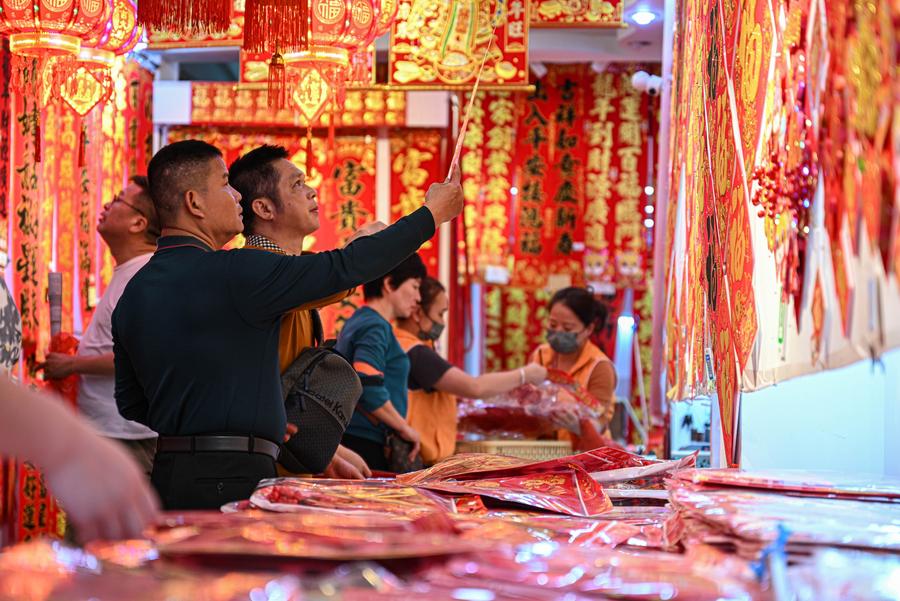
Spring Festival Couplets
Introduction
Spring Festival Couplets, also known as "Chunlian," are an integral part of the Chinese New Year celebrations. Traditionally, these couplets are written on red paper using black ink and are affixed to doorways and walls of homes, offices, and public buildings. They are an expression of good wishes, prosperity, happiness, and hope for the coming year.
History
The history of Spring Festival Couplets can be traced back to ancient China. The earliest known couplet was discovered among the Dunhuang Manuscripts, a collection of documents that dates back to the early 8th century and was sealed within the Mogao Caves in Gansu province. This particular couplet was written by Liu Qiuzi around the year 723. The tradition of creating and displaying couplets in the calligraphic style continues today, with many people choosing to compose and create their own. The National Museum of China hosts exhibitions showcasing calligraphic couplets created by renowned calligraphers, celebrating not only the craftsmanship but also the cultural significance of these works.
Traditional Craftsmanship
The process of creating Spring Festival Couplets involves traditional craftsmanship that has been passed down through generations. The art of calligraphy is central to this tradition, requiring not only technical skill but also a deep understanding of the cultural and philosophical underpinnings of the texts. Calligraphers must balance aesthetics with meaningful content, ensuring that the characters flow gracefully across the paper. The materials used, such as ink and paper, are chosen with care to enhance the visual impact and longevity of the couplets.
Modern Variations
In modern times, variations in the creation and display of Spring Festival Couplets have emerged, reflective of changing lifestyles and technological advancements. While traditional hand-written couplets remain popular, printed versions are also widely available, catering to those who may not possess calligraphic skills. The advent of digital platforms has allowed for the exchange and distribution of couplets in electronic formats, broadening the reach and accessibility of this cultural practice. Additionally, contemporary themes and designs have been incorporated, appealing to a younger generation while maintaining the core elements of tradition.
How to Write Spring Festival Couplets
Writing Spring Festival Couplets involves several key steps, beginning with the selection of appropriate paper, typically red to symbolize luck and happiness. The choice of ink is equally important, with black being the traditional color used for its strong visual contrast. The process begins with drafting the couplet, ensuring that the language is poetic and the message auspicious. Calligraphy techniques are employed to render the words elegantly, with attention paid to the flow and spacing of each character. The completed couplets are then carefully mounted or displayed in a way that enhances their visual and symbolic impact.
Popular Themes and Phrases
Spring Festival Couplets often revolve around popular themes such as prosperity, happiness, longevity, and family unity. Common phrases include wishes for wealth and success, references to cultural symbols like the dragon or phoenix, and expressions of gratitude and goodwill. These themes resonate with the values and aspirations of those who celebrate the Chinese New Year, providing a means of connecting with both personal and communal hopes for the future.








